



Blog
Debunking common gambling myths what you need to know

Debunking common gambling myths what you need to know
Understanding the Odds
One of the most common myths surrounding gambling is the belief that players can predict the outcome of games based on previous results. Many believe that if a number hasn’t come up in a while on a slot machine, it’s “due” to hit soon. This misconception stems from a misunderstanding of how odds work. In reality, each spin is independent, and the outcome is determined by random number generators. There is no way to predict future results based on past performance. Players who decide to explore non gamstop casinos should also remember that these principles apply universally.
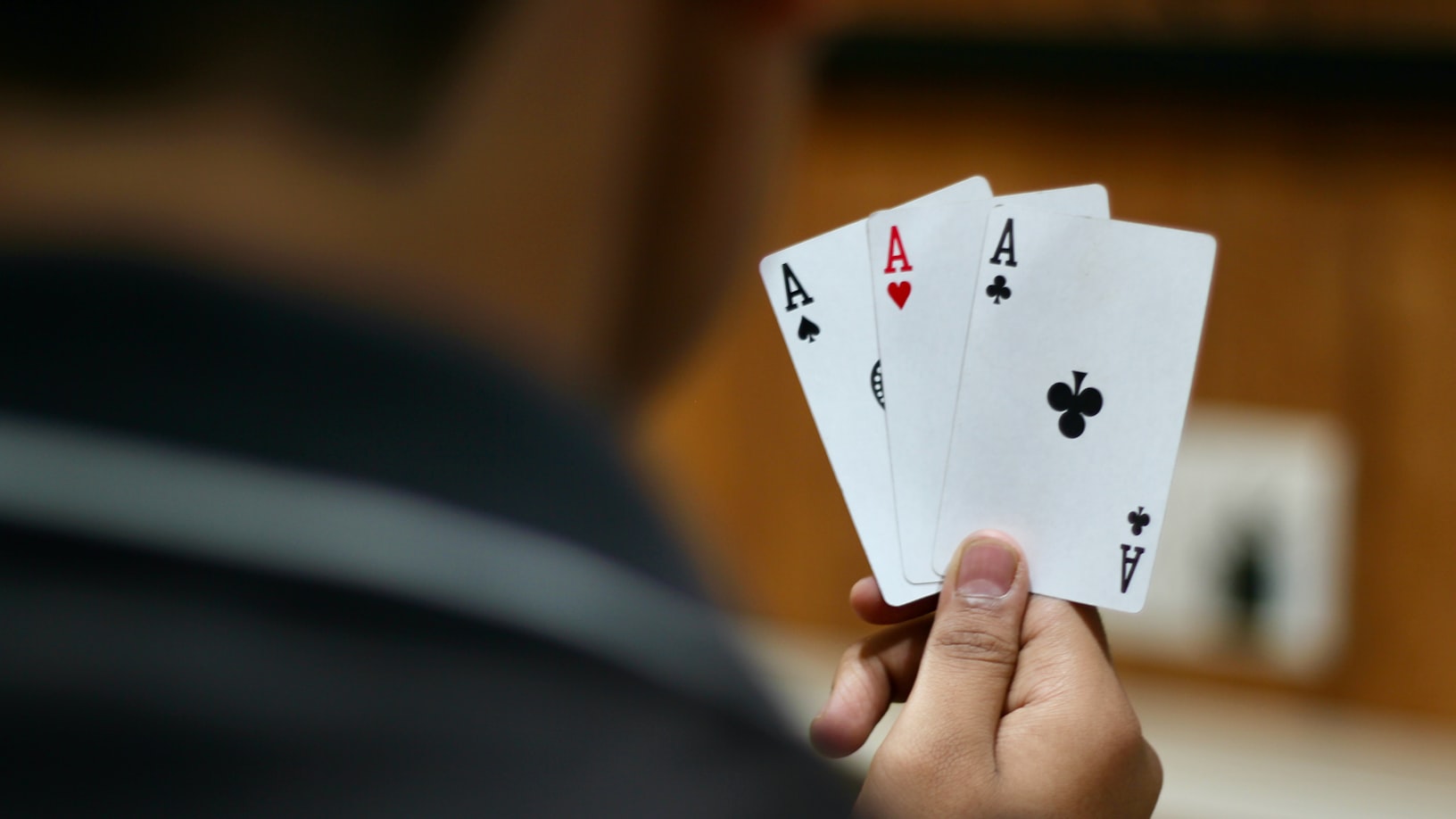
This myth often leads to players chasing losses, thinking they can turn their luck around. Instead of relying on superstition, it’s essential for gamblers to understand that the house always has an edge. Recognizing the odds can help players make informed decisions and manage their bankroll more effectively, leading to a more enjoyable gambling experience.
Myth of the ‘Hot’ and ‘Cold’ Machines
Another prevalent myth is the idea of ‘hot’ and ‘cold’ machines in casinos. Gamblers often share stories about machines that have paid out large jackpots recently, deeming them “hot” and worth playing. Conversely, machines that haven’t paid out in a while are labeled “cold.” However, this belief is fundamentally flawed. Slot machines operate on a random basis, meaning each machine has the same odds regardless of past payouts.
This misconception can mislead players into investing more time and money into specific machines based on anecdotal experiences rather than informed decision-making. Understanding that every spin is random can empower players to choose their games based on personal preference rather than flawed theories.
The Gambler’s Fallacy
The gambler’s fallacy is a psychological phenomenon that leads players to believe that past events will influence future outcomes in random games. For instance, if a roulette wheel has landed on red several times in a row, a player might think that black is more likely to hit next. This is a classic example of the gambler’s fallacy, and it can have detrimental effects on betting behavior.
This myth highlights the importance of critical thinking in gambling. Educating oneself about probabilities can help players avoid falling into the trap of believing that chance can be manipulated by previous results. A solid understanding of randomness and probability can enhance the overall gambling experience while minimizing reckless betting behavior.
Celebrity Gamblers and Their Influence
Celebrity gamblers often glamorize high-stakes betting, leading many to believe that it is a glamorous and easy way to make money. However, the reality is often far different. Many celebrities who engage in gambling do so with significant financial backing and often have professional advice. Their success stories can create unrealistic expectations for average players who may not have the same resources.
Additionally, the portrayal of gambling in movies and television often exaggerates the rewards while downplaying the risks. It’s crucial for aspiring gamblers to recognize that the odds are against them and that responsible gambling should always be the priority. Understanding the true nature of gambling—whether influenced by celebrities or not—can help individuals make more informed decisions.

Conclusion and Resource Information
Debunking common gambling myths is essential for anyone who engages in gaming activities. Knowledge and understanding can help players avoid common pitfalls and make more responsible decisions. Educating oneself about odds, the nature of machines, and psychological fallacies can lead to a more enjoyable and sustainable gambling experience.
For those seeking more information on responsible gambling practices, it is crucial to access reliable resources. While browsing, it is advisable to ensure a secure experience to safeguard personal information and enhance your overall understanding of gambling-related topics.