



Blog
The historical journey of gambling Unraveling its evolution through the ages

The historical journey of gambling Unraveling its evolution through the ages
The Origins of Gambling
The history of gambling can be traced back to ancient civilizations, where it served as a form of entertainment and a way to engage in chance-based activities. Archaeological evidence indicates that dice have been found in Mesopotamia, dating back over 5,000 years. These early forms of gambling were often tied to religious rituals, with participants betting on the outcome of events, including battles or harvests, reflecting their cultural beliefs and values. Today, many people enjoy australian online casinos, which reflect a modern interpretation of these ancient practices.

As societies evolved, so did the methods and practices of gambling. The ancient Greeks and Romans embraced various games of chance, such as betting on chariot races and gladiatorial contests. These activities not only provided leisure but also reinforced social hierarchies and offered a means for the upper class to demonstrate their wealth and influence.
The Middle Ages and the Birth of Modern Games
During the Middle Ages, gambling saw a decline in popularity due to the rise of religious authority and moral constraints. However, this period also marked the emergence of modern games that would shape gambling practices for centuries to come. The invention of playing cards in the 14th century introduced new forms of gambling, allowing for games that combined skill and chance.
By the 16th century, gambling regained its status in society with the establishment of formal betting houses in Europe. The invention of lotteries as a means of raising funds for public projects became increasingly popular, showcasing the transformative role of gambling in funding societal needs while still serving as a source of entertainment.
The Rise of Casinos and Regulation
The 17th and 18th centuries witnessed the establishment of the first official casinos, particularly in Italy and France. These venues provided a glamorous environment for gambling, attracting the elite and creating a culture of high-stakes wagering. With the allure of luxurious settings, gambling became synonymous with social status and sophistication.
However, as gambling grew in popularity, so did the need for regulation. Governments began to impose rules and restrictions to curb illegal gambling and protect citizens from potential exploitation. The establishment of laws around gambling practices marked a significant shift, leading to a more structured approach to the industry.
The 20th Century: A Global Phenomenon
The 20th century saw an explosion in the popularity of gambling, influenced by technological advancements and globalization. The advent of television and the internet transformed the gambling landscape, making it more accessible to a wider audience. Online gambling platforms emerged, providing opportunities for individuals to engage in gaming without the constraints of physical locations.
The rise of popular games such as poker and sports betting further solidified gambling’s status as a mainstream activity. Cultural attitudes towards gambling also evolved, with many societies embracing it as a legitimate form of entertainment, albeit with ongoing debates around addiction and regulation.
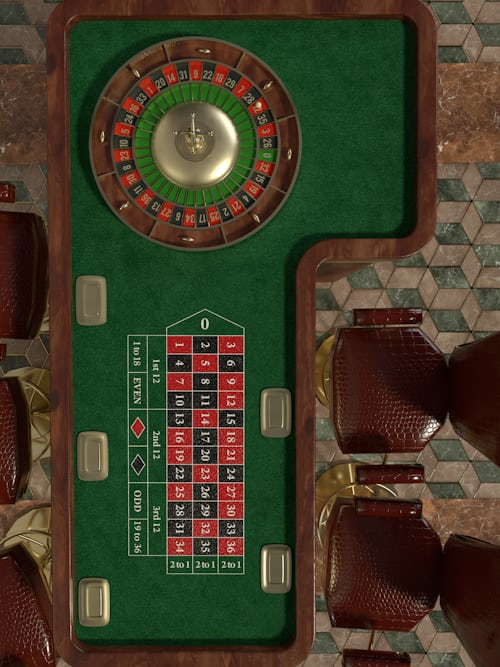
Understanding Gambling Today
Today, gambling continues to evolve, reflecting the complexities of modern society. Online casinos, mobile gaming apps, and sports betting are at the forefront of this evolution, leading to unprecedented growth in the industry. Cultural perspectives on gambling vary widely; in some regions, it is celebrated as a form of leisure, while in others, it faces significant scrutiny and regulation.
As we look to the future, understanding the historical journey of gambling provides valuable insights into its cultural significance and the ongoing challenges it faces. Engaging with platforms dedicated to enhancing user experiences, such as those focused on security and responsible gambling practices, remains essential for creating a sustainable and enjoyable gambling environment.